Bhutan
Moderate Difficulty

Bhutan

Best Time: September to November (Festivals & clear skies) and March to May (Spring rhododendron blooms)
Ideal: 5–7 days
Max Altitude: 10,240 ft (Tiger's Nest) / 10,170 ft (Dochula Pass)
Climate: Subtropical in southern plains, temperate in central valleys (Thimphu & Paro), and alpine in northern passes.

About Bhutan

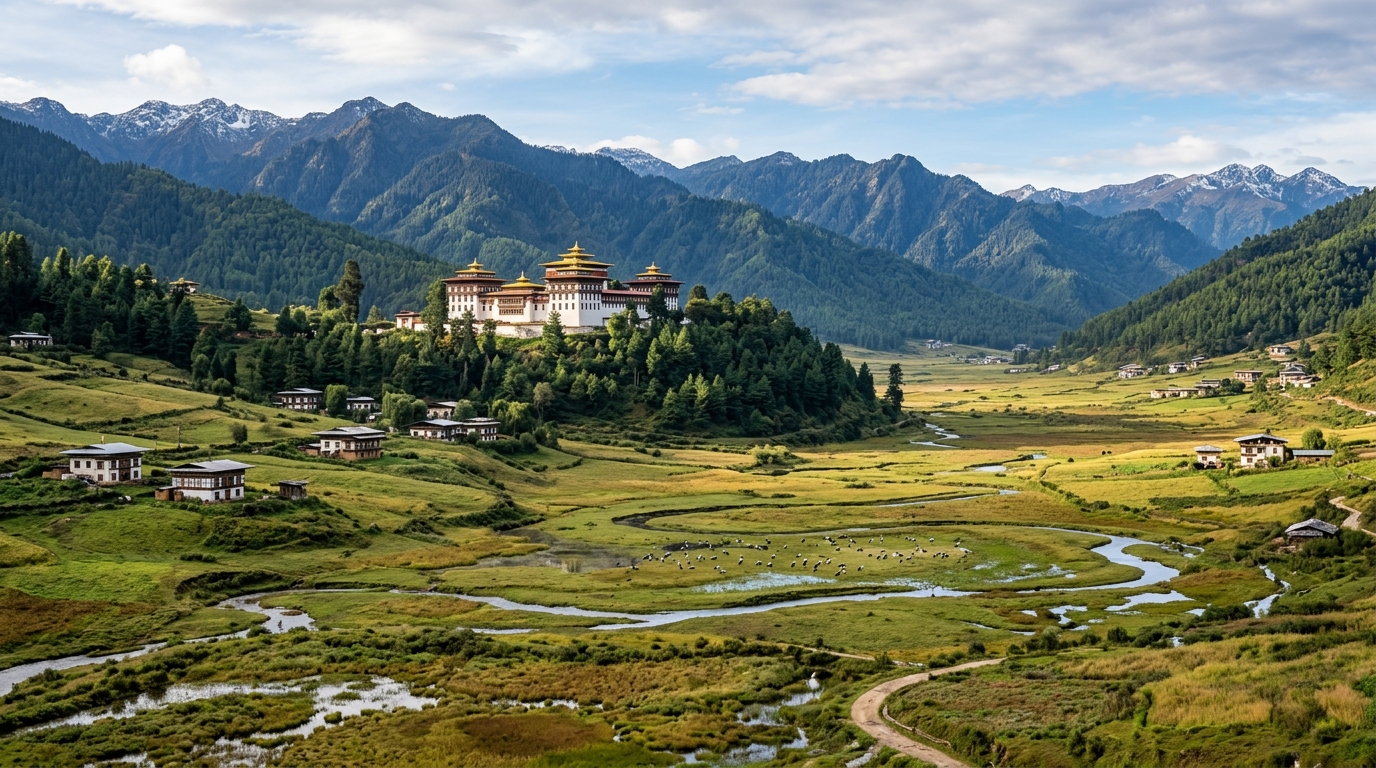
Tucked away in the eastern Himalayas, the Kingdom of Bhutan—locally known as Druk Yul (Land of the Thunder Dragon)—is one of the world's most pristine and culturally preserved destinations. Bhutan is the world's only carbon-negative nation and the pioneer of Gross National Happiness (GNH), where sacred spirituality, ancient traditions, and virgin Himalayan nature thrive in perfect harmony.

🏰 Fortress Dzongs & Sacred Sanctuaries

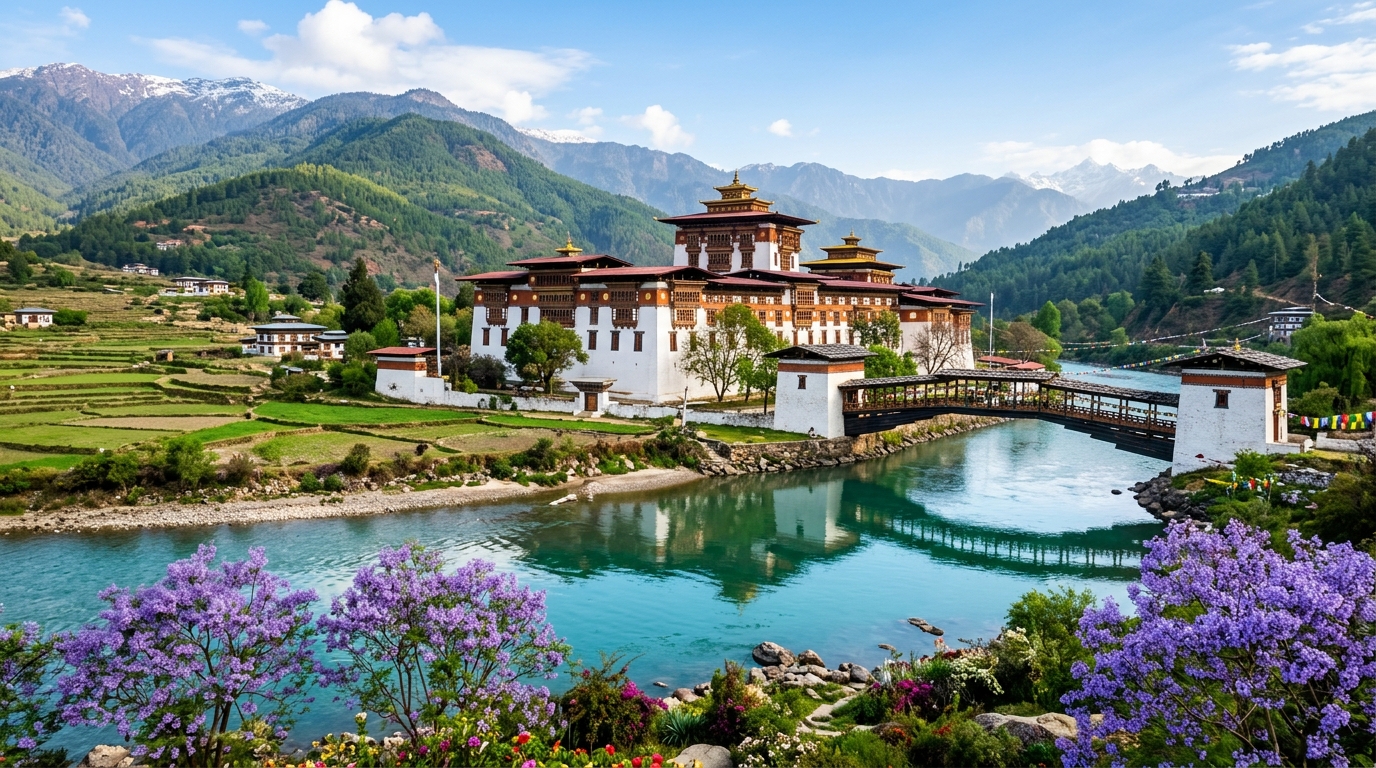
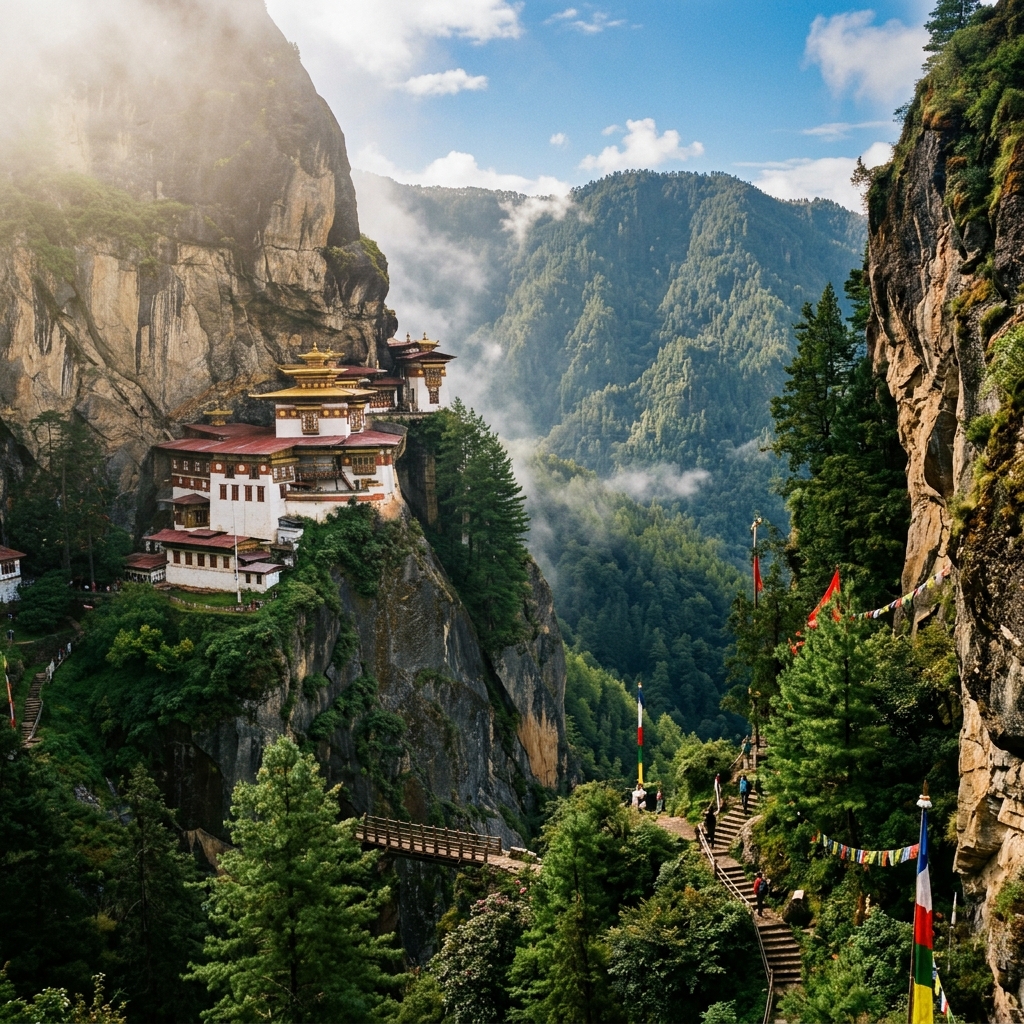
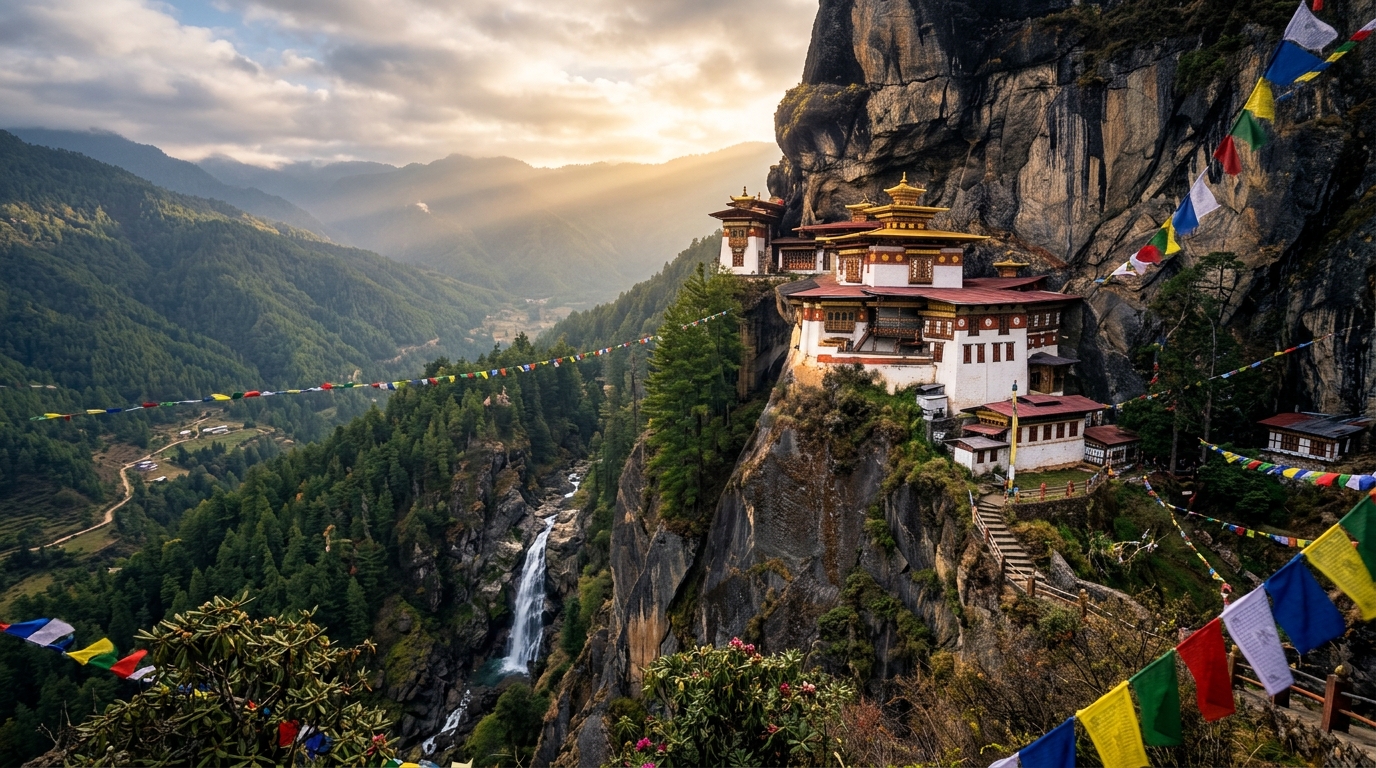
Every valley in Bhutan is anchored by an imposing Dzong—a massive fortress of whitewashed stone and carved timber that serves as both the administrative hub and monastery. From the majestic riverside fortress of Punakha Dzong at the sacred confluence of two rivers to the iconic Taktsang Monastery (Tiger's Nest) clinging 900 meters above the Paro valley floor, Bhutan’s architecture is nothing short of legendary.

🏔️ Pristine Himalayan Valleys & Mountain Passes

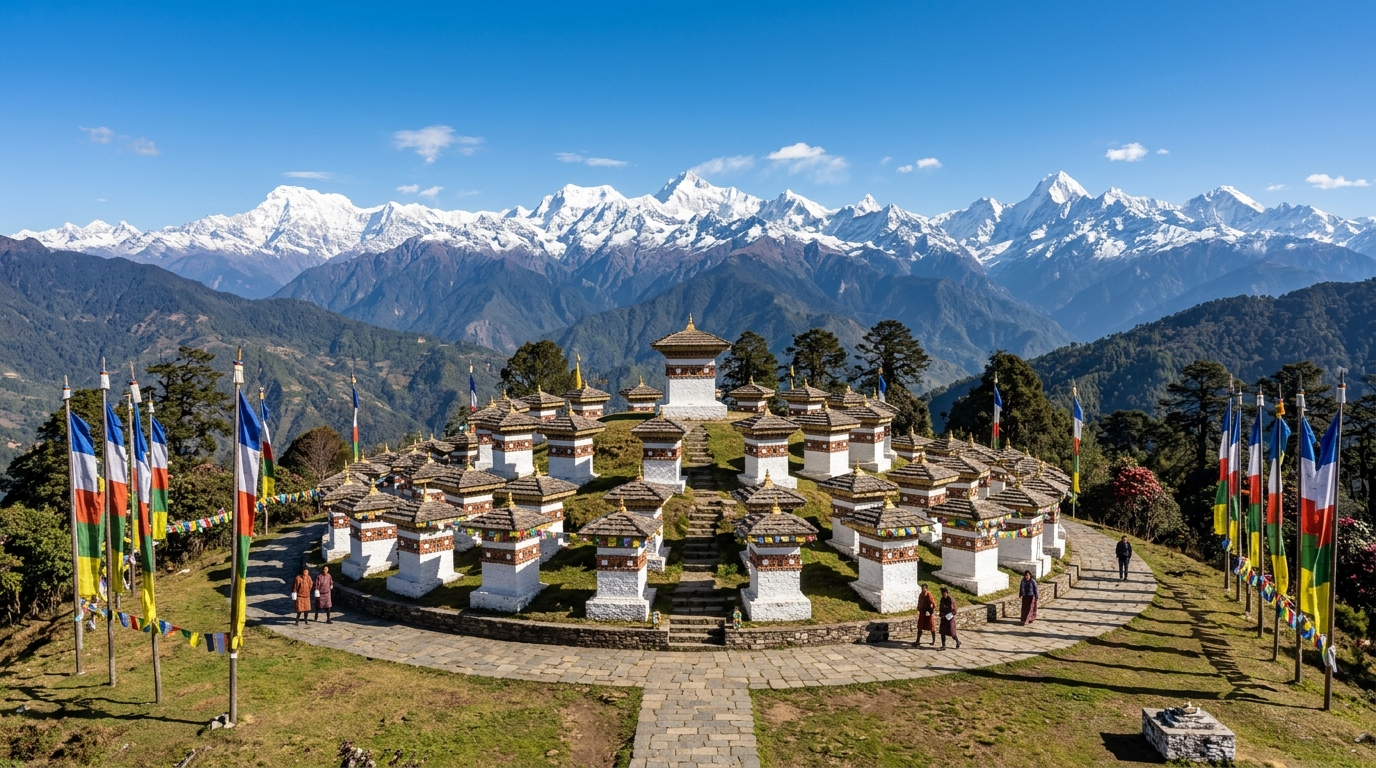
Driving across Bhutan is a sensory journey. Cross the scenic Dochula Pass (3,100m), crowned with 108 Druk Wangyal Chortens with panoramic vistas of the snow-clad Himalayas. Descend into the tranquil Phobjikha Valley, the winter roosting grounds of the rare Black-Necked Cranes, or stroll through the peaceful handicraft markets of Thimphu and Paro.

✨ Unmissable Highlights of Bhutan:

  • Tiger’s Nest Hike: Ascend to Bhutan's most revered 8th-century clifftop hermitage blessed by Guru Padmasambhava.

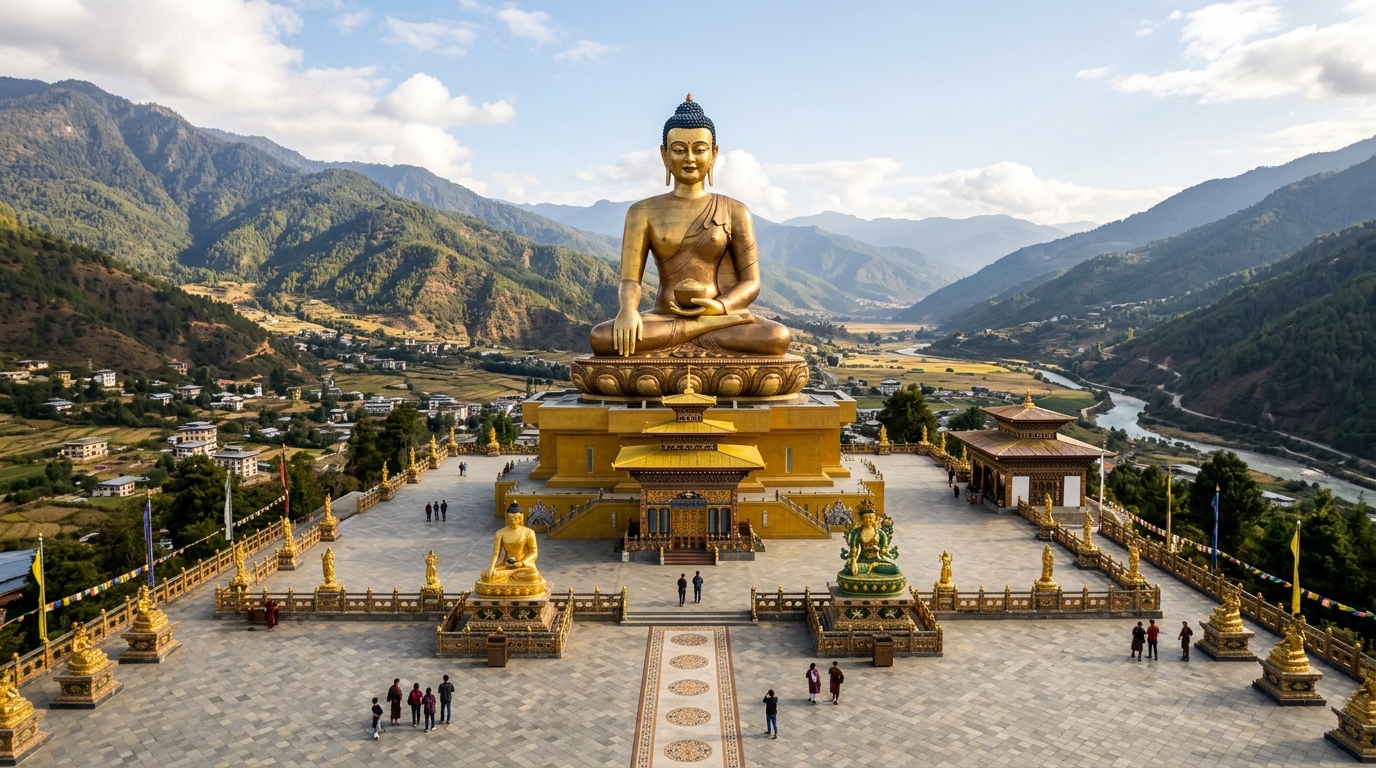
  • Buddha Dordenma: Gaze upon the giant 51.5m gilded bronze statue overlooking Thimphu valley.

  • Dochula Pass: Marvel at 108 memorial stupas set against the grand Himalayan backdrop.

  • Traditional Hot Stone Bath: Rejuvenate muscles in medicinal river-stone heated herbal baths scented with Artemisia leaves.

  • Authentic Cuisine: Savor traditional delicacies including Ema Datshi (chilli & yak cheese) and locally brewed butter tea.

Whether crossing the border by road through Phuentsholing or landing by flight at the picturesque Paro International Airport, a voyage to Bhutan promises deep spiritual peace and memories that endure for a lifetime.
Destination Highlights

Best Time to Visit

September to November (Festivals & clear skies) and March to May (Spring rhododendron blooms)

Climate

Subtropical in southern plains, temperate in central valleys (Thimphu & Paro), and alpine in northern passes.

Max Altitude

10,240 ft (Tiger's Nest) / 10,170 ft (Dochula Pass)

Ideal Duration

5–7 days

Difficulty

Moderate

Famous For

Tiger's Nest Monastery (Taktsang), Ancient Dzongs, Dochula Pass, Himalayan Vistas, Gross National Happiness, and Rich Buddhist Culture.

Weather & Climate

☀️

Summer

15°C – 26°C

❄️

Winter

-2°C – 12°C

Places to Visit

Taktsang Monastery (Tiger's Nest), Paro

Taktsang Monastery (Tiger's Nest), Paro

Bhutan's most iconic landmark, clinging dramatically to a sheer granite cliff 900 meters above the Paro valley floor. A sacred 8th-century meditation site blessed by Guru Padmasambhava.
Punakha Dzong & Suspension Bridge

Punakha Dzong & Suspension Bridge

The majestic 'Palace of Great Happiness' situated at the holy confluence of the Pho Chhu and Mo Chhu rivers. Walk across Bhutan's longest suspension bridge adorned with vibrant prayer flags.
Buddha Dordenma (Buddha Point), Thimphu

Buddha Dordenma (Buddha Point), Thimphu

A colossal 51.5-meter tall bronze statue of Shakyamuni Buddha perched atop a hill overlooking the entire Thimphu valley, housing 125,000 smaller gilded Buddha statues inside.
Dochula Pass (3,100m)

Dochula Pass (3,100m)

A breathtaking mountain pass on the road between Thimphu and Punakha, adorned with 108 Druk Wangyal memorial chortens and sweeping 360-degree views of the snow-clad eastern Himalayas.
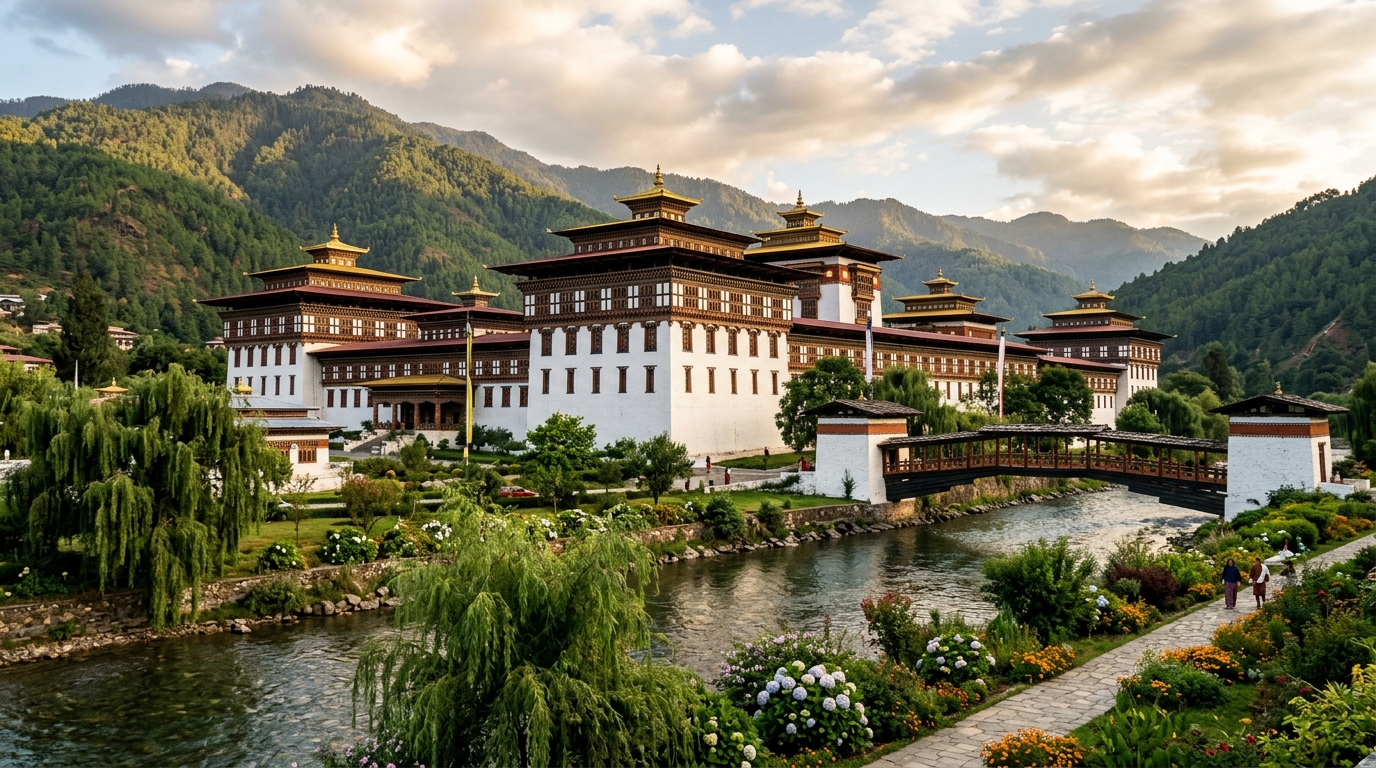
Tashichho Dzong, Thimphu

Tashichho Dzong, Thimphu

The magnificent fortress of the glorious religion sitting along the Wangchu River, serving as the seat of Bhutan's royal government and central monastic body, beautifully illuminated at dusk.
Phobjikha Valley & Gangtey Monastery

Phobjikha Valley & Gangtey Monastery

A pristine, glacial bowl valley surrounded by black mountains, famed as the serene winter nesting sanctuary for the endangered Black-Necked Cranes that migrate from the Tibetan Plateau.

At a Glance

Best Time

September to November (Festivals & clear skies) and March to May (Spring rhododendron blooms)

Ideal Duration

5–7 days

Climate

Subtropical in southern plains, temperate in central valleys (Thimphu & Paro), and alpine in northern passes.

Max Altitude

10,240 ft (Tiger's Nest) / 10,170 ft (Dochula Pass)

Plan My Trip
Continue Exploring

Explore Similar Destinations

View All Destinations
Chnagu Lake
6 Places
1 day Grade: Moderate

Chnagu Lake

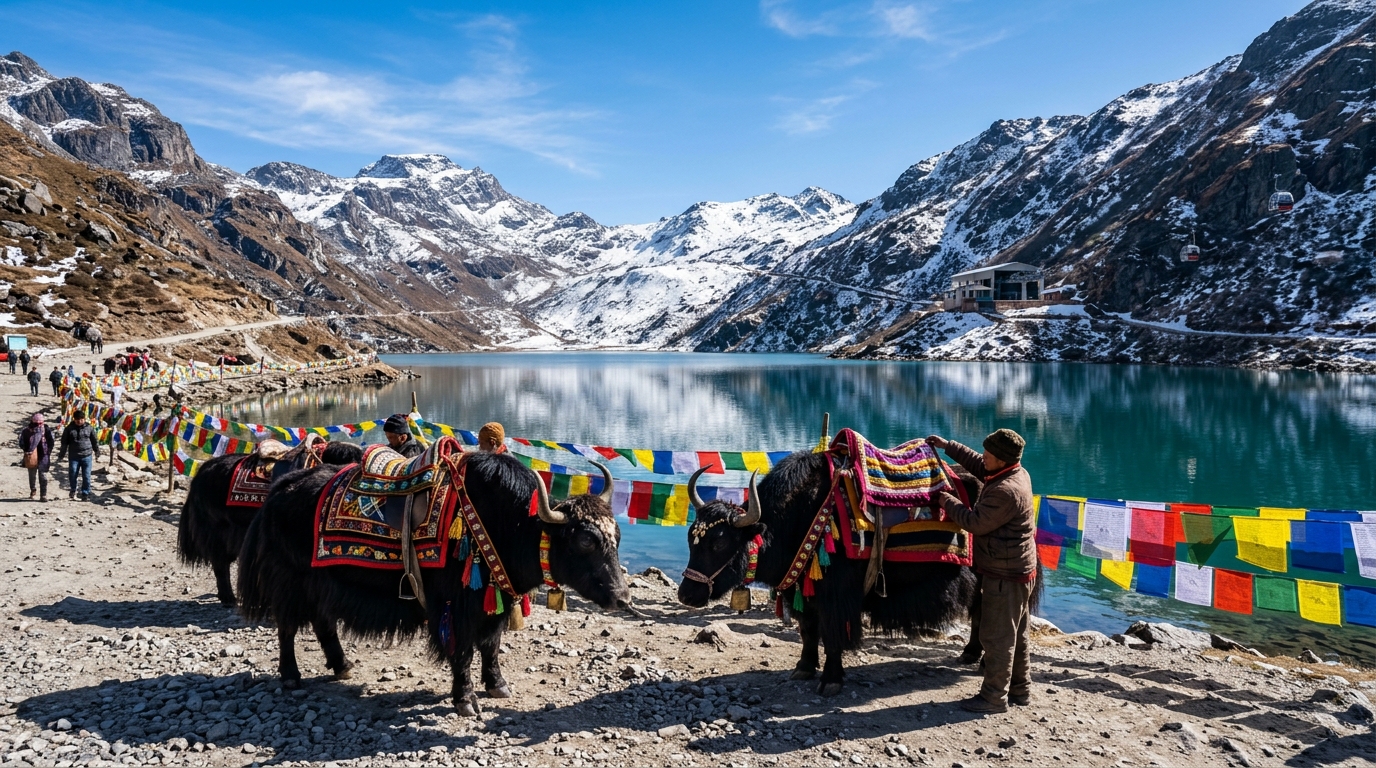
Perched at an elevation of 12,400 ft along the ancient Indo-China Silk Route, Tsomgo (Changu) Lake is a sacred, oval-shaped glacial water body renowned for its color-changing waters, fluttering Tibetan prayer flags, and decorated yak rides.

Best Season October to December (Clear reflections & crisp views) and January to April (Snow & frozen lake)
Dooars
6 Places
4–5 days Grade: Easy

Dooars

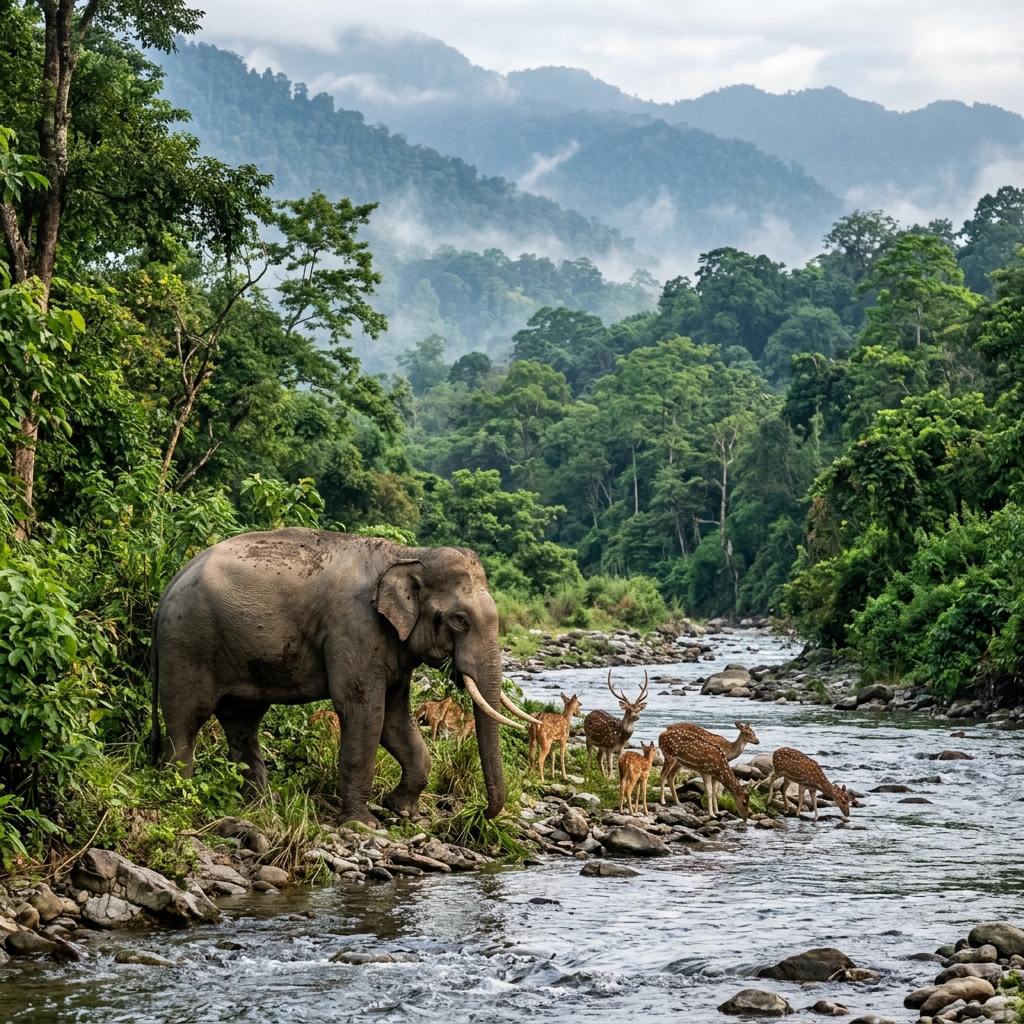
Dooars — the word means "doors," and that's exactly what this region is: the gateway between the plains of North Bengal and the mountains of Bhutan ...

Best Season October to May (Peak Season: November to March)
North Sikkim
6 Places
3–4 days Grade: Challenging

North Sikkim

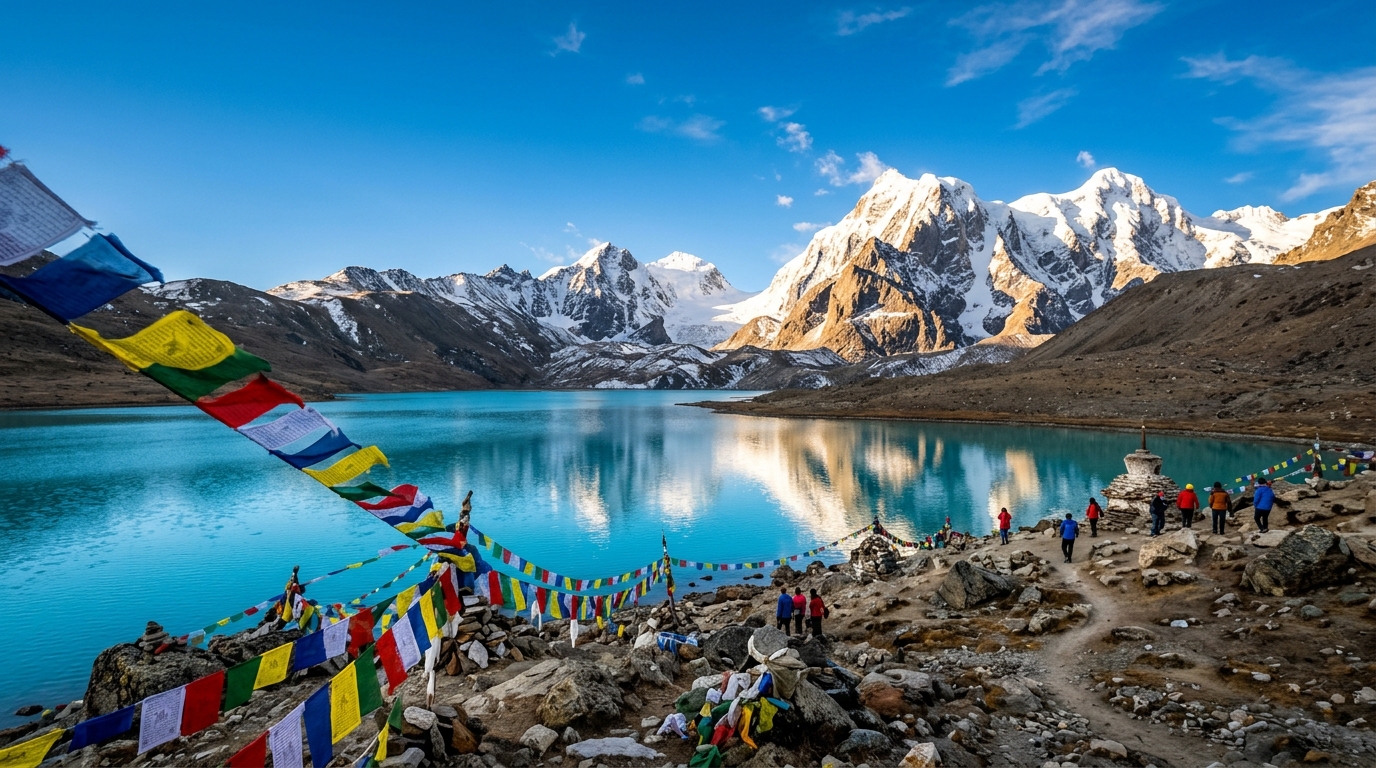
North Sikkim is the rugged crown of the Himalayas—a high-altitude wonderland of sacred turquoise glacial lakes like Gurudongmar (17,800 ft), the blooming Yumthang Valley of Flowers, snow-draped peaks at Zero Point, and traditional wooden hamlets.

Best Season April to June (Yumthang flower blooms) and October to mid-December (Clear skies & frozen lakes)